

01
Incoming material
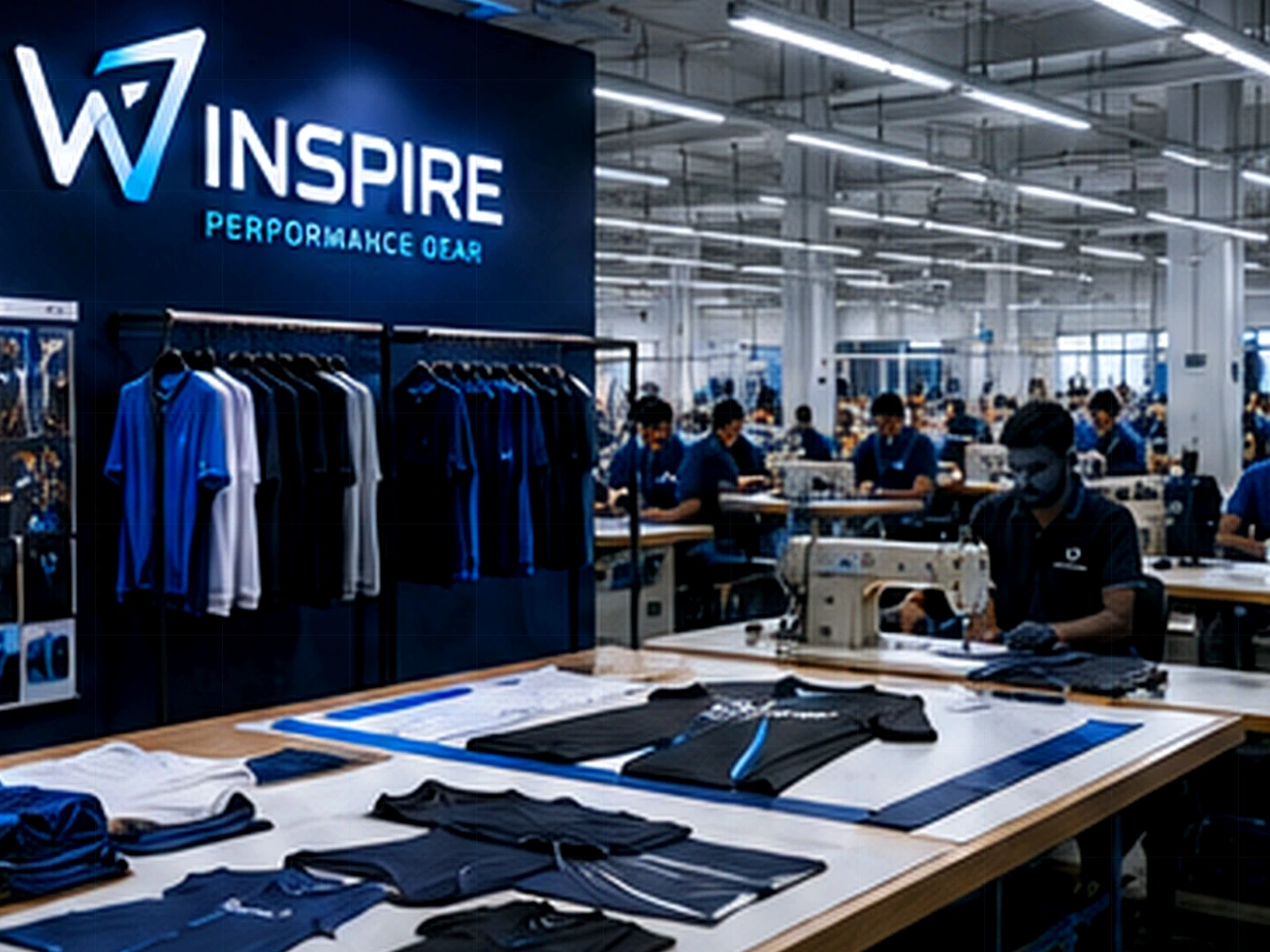
Fabric, leather, trims, colour and visible condition checked before issue to production.
Quality assurance
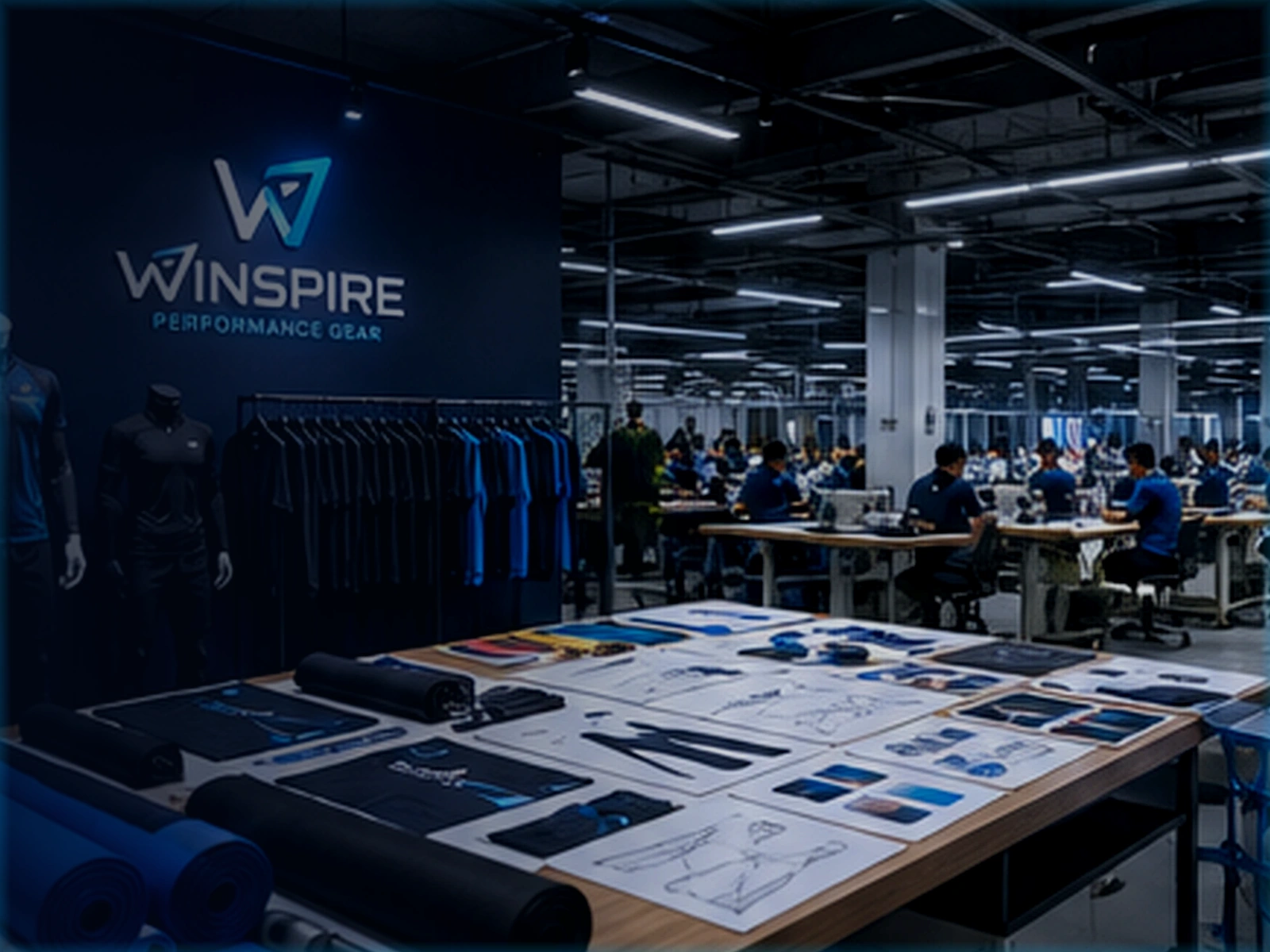
Material, measurements, construction, decoration and packing are reviewed against the approved product specification.
Six inspection gates
The approved sample and specification remain the reference from incoming material through final carton release.
Fabric, leather, trims, colour and visible condition checked before issue to production.
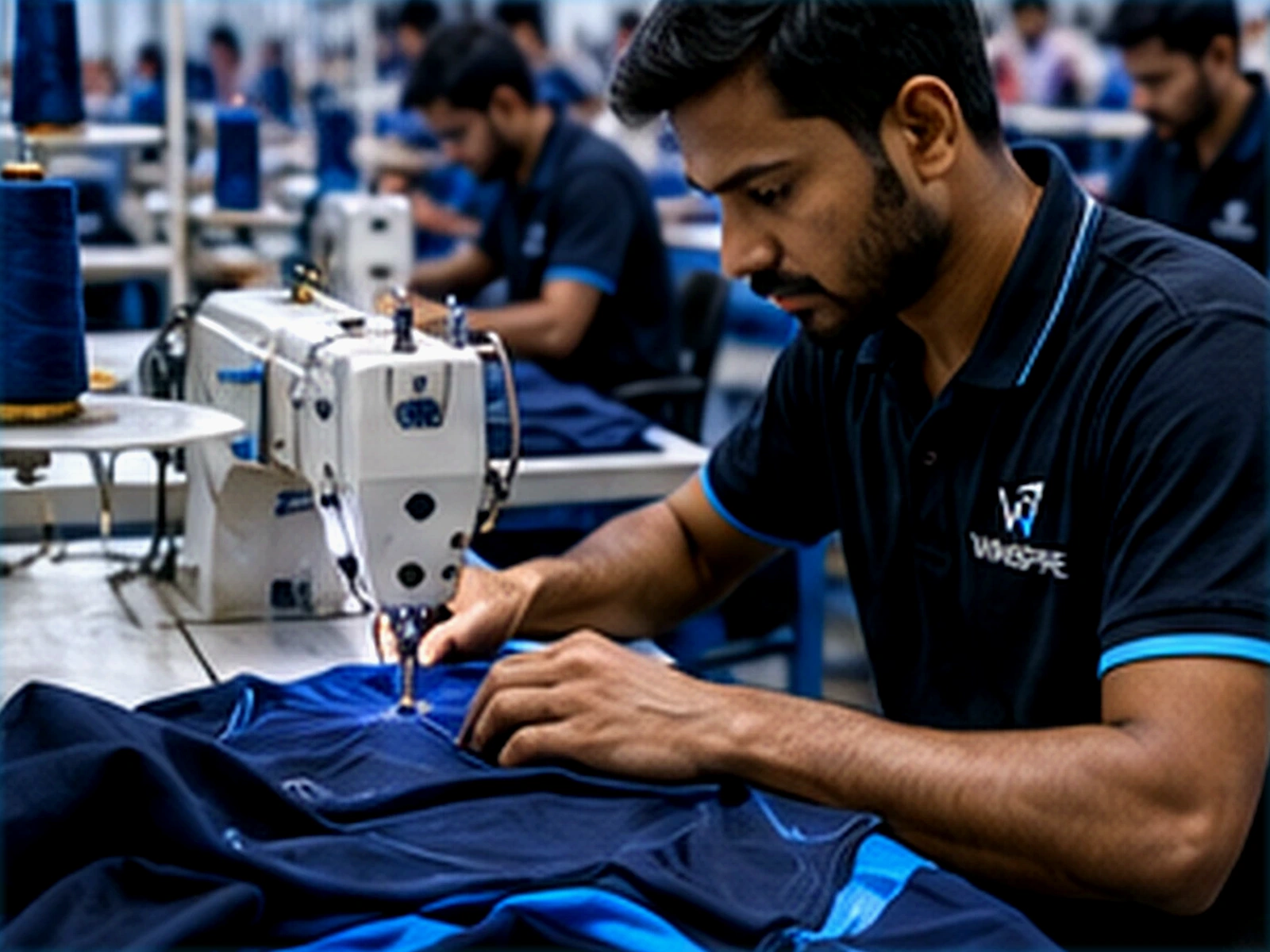
Sample, artwork placement, measurements and construction details confirmed before bulk work.
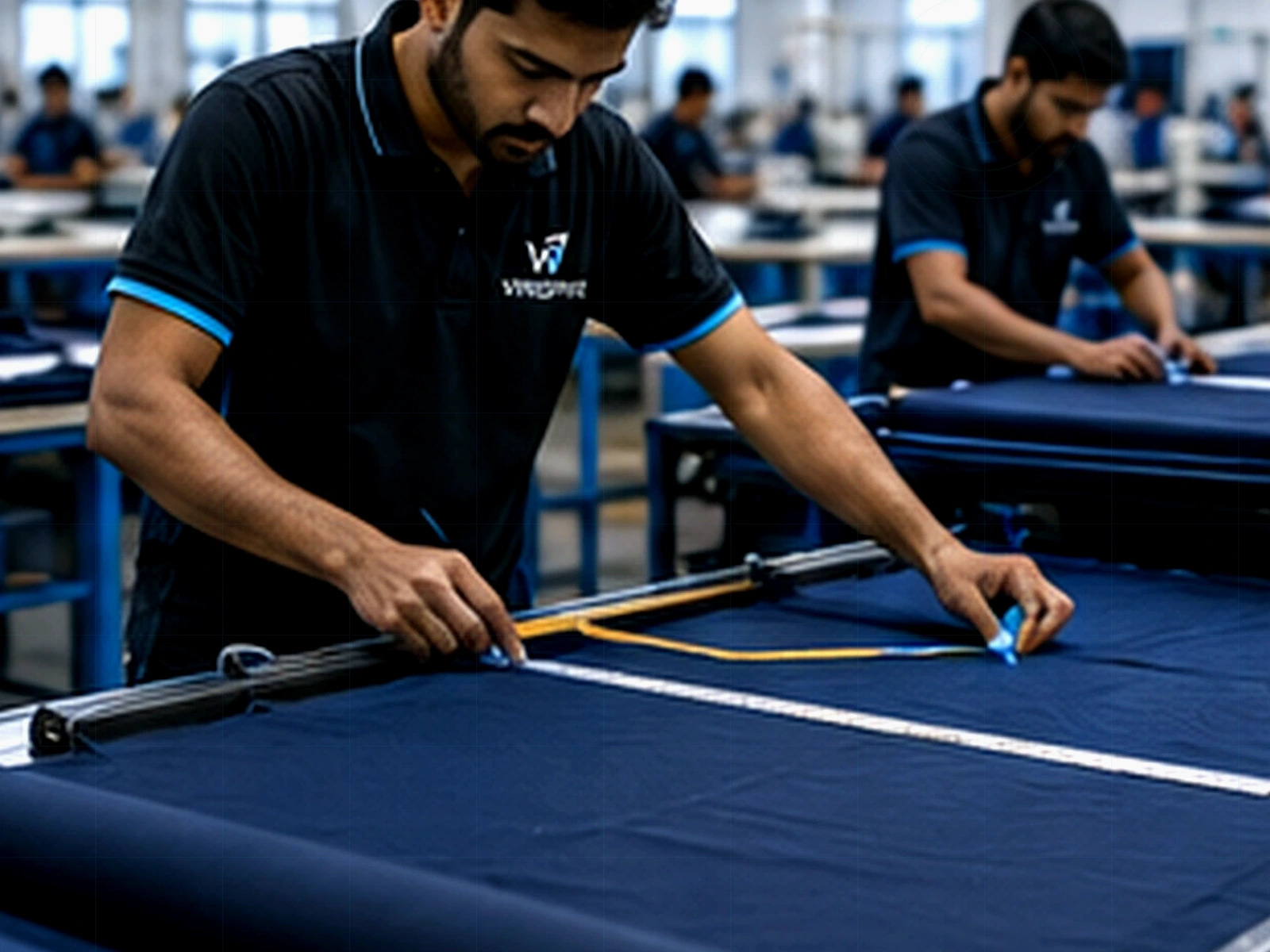
Pattern placement, panel direction, colour grouping and cut quantities reviewed before assembly.
Seams, stress points, measurements and workmanship checked while products are being assembled.
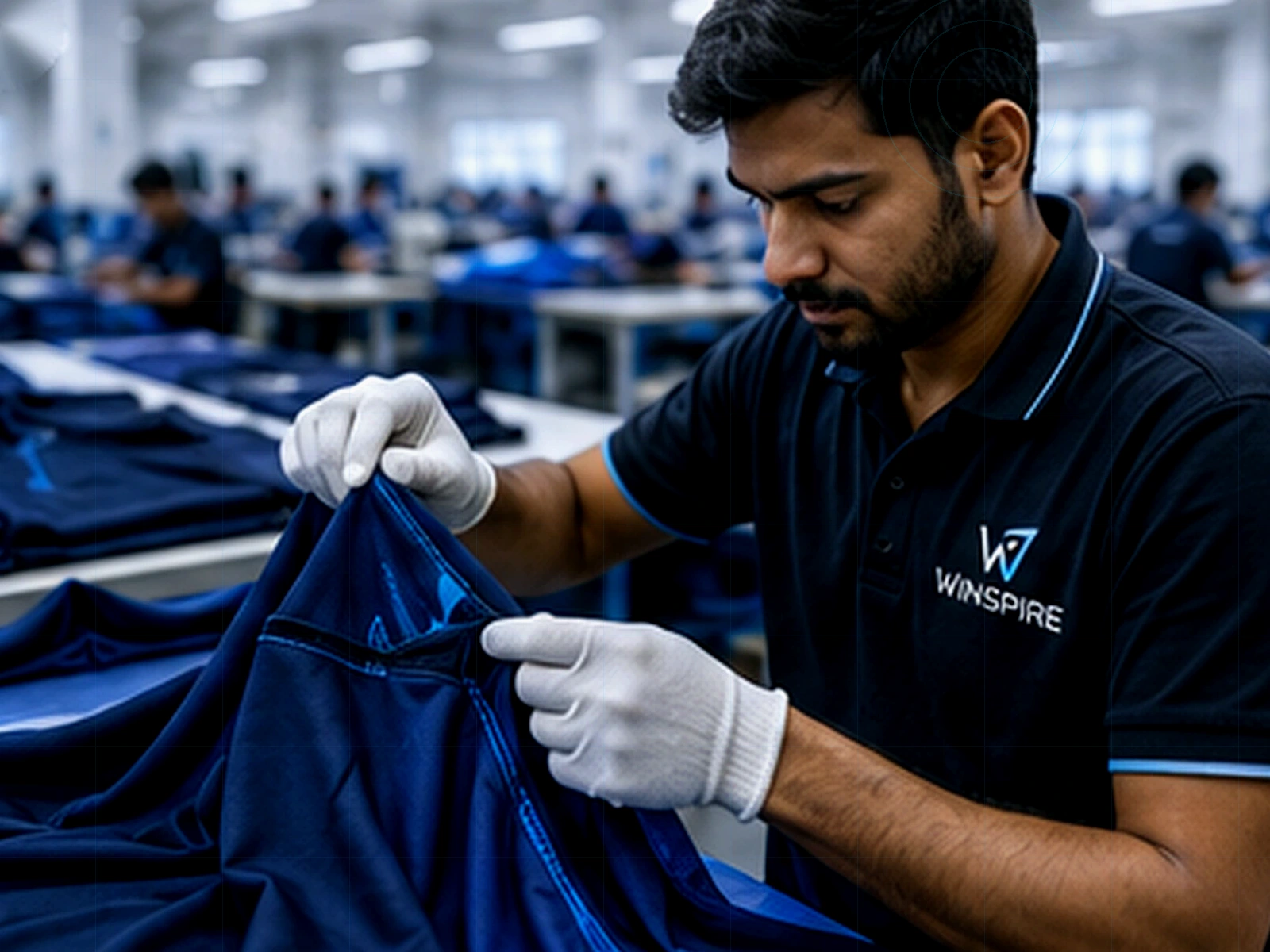
Print colour, embroidery density, position, scale and finishing reviewed against approved artwork.
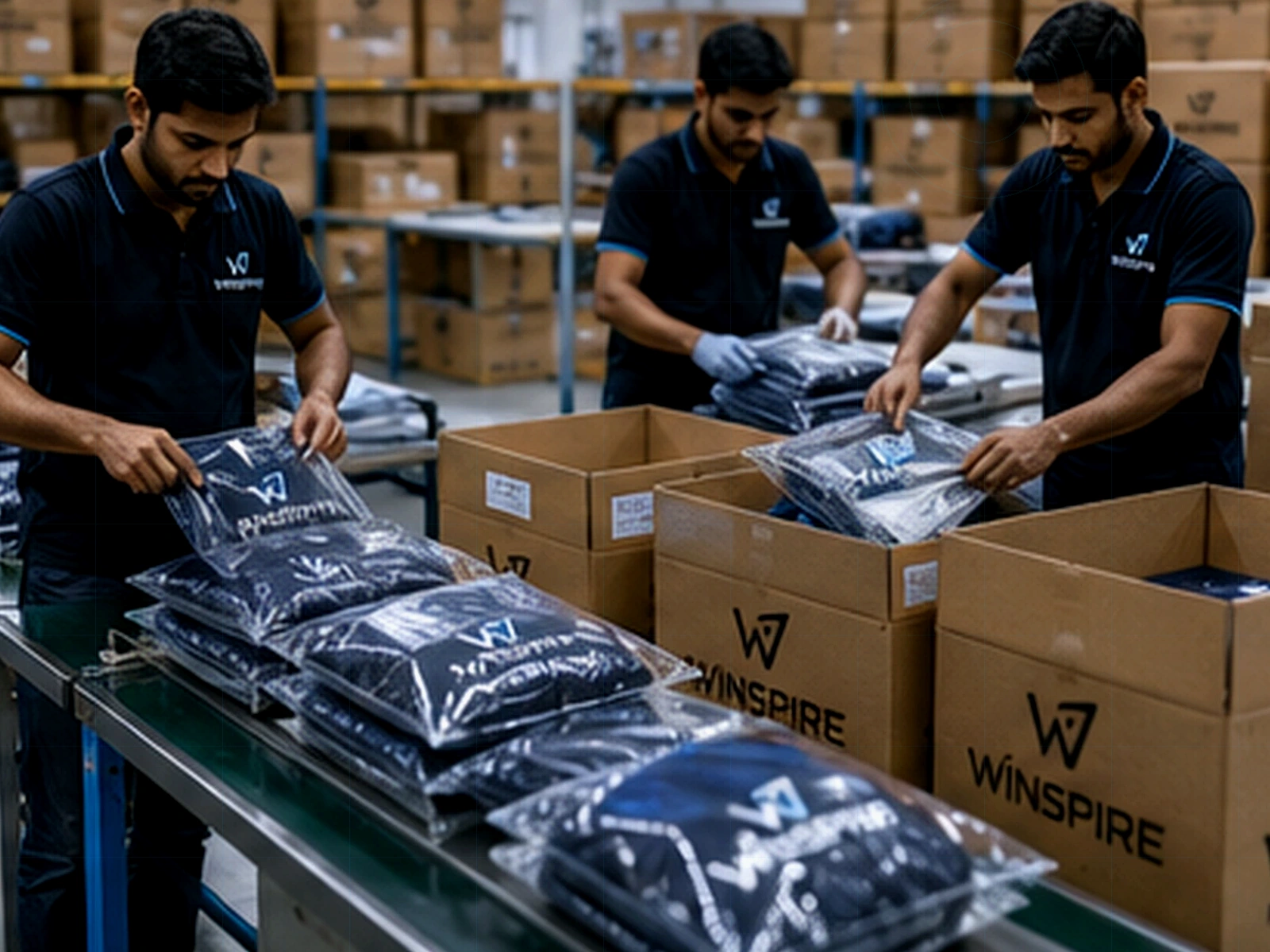
Finished goods, quantities, labels, packaging and carton information checked before dispatch.
Product-specific testing
Testing requirements differ across activewear, fight gear, martial-arts uniforms and team kits. The inspection plan is aligned to the materials, construction and decoration used for the product.
Responsible production
Responsible manufacturing is treated as a continuous operational improvement, supported by buyer-approved materials and realistic production planning.
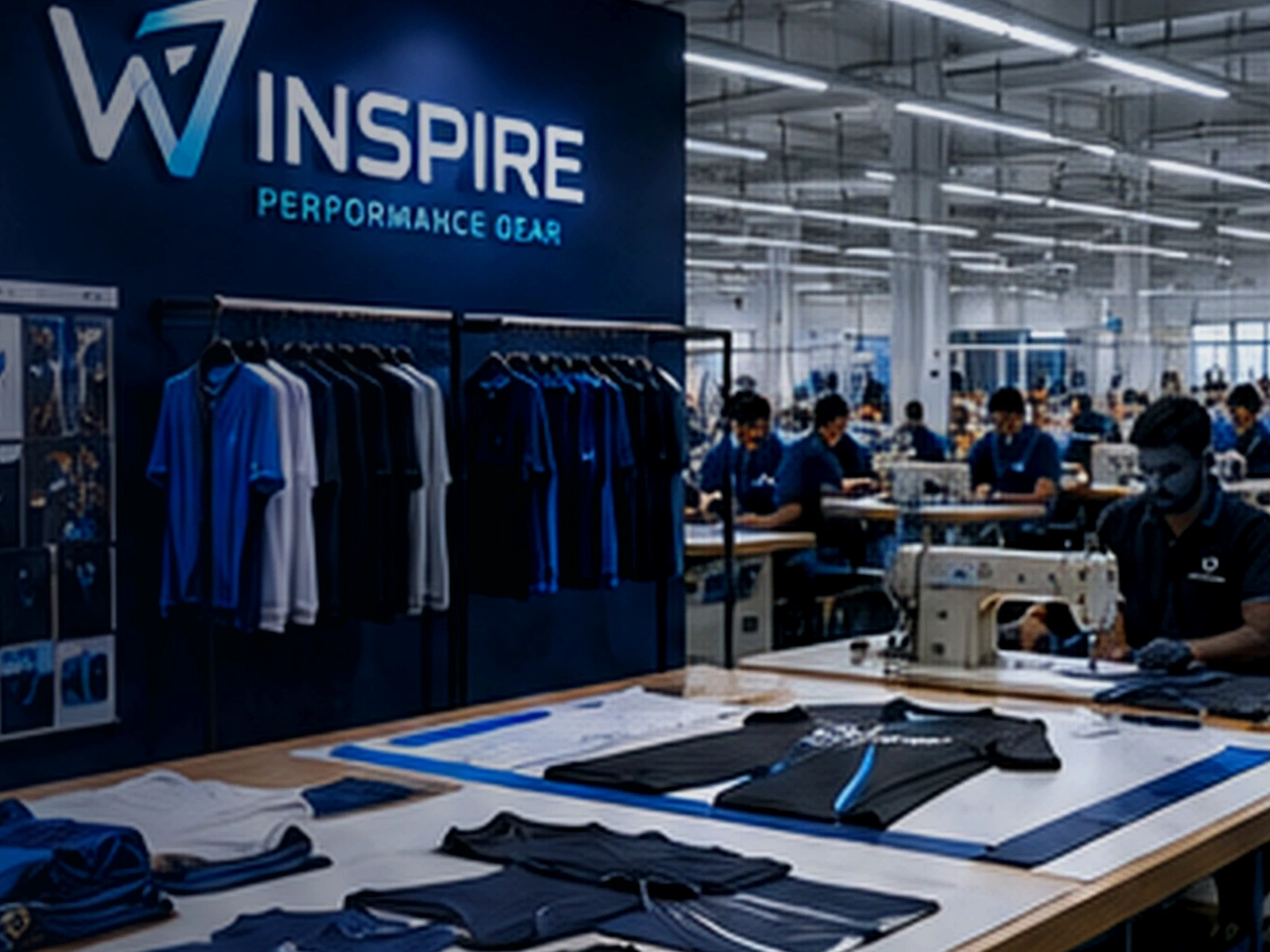
Material options are selected around performance, durability, availability and the buyer’s requirements.
Pattern planning and controlled cutting help reduce avoidable material loss.
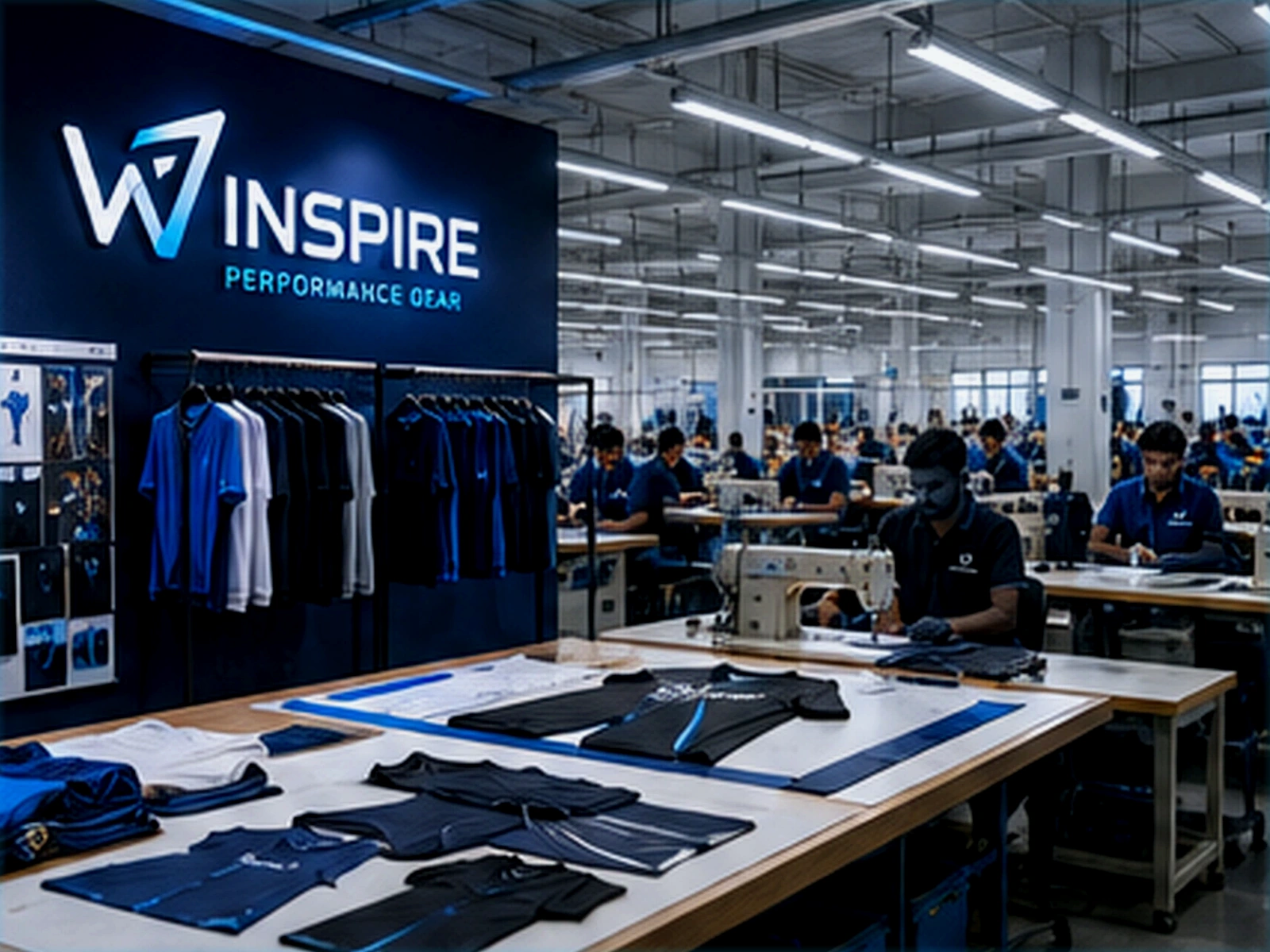
Clear production stages and in-line checks reduce rework, confusion and wasted production time.
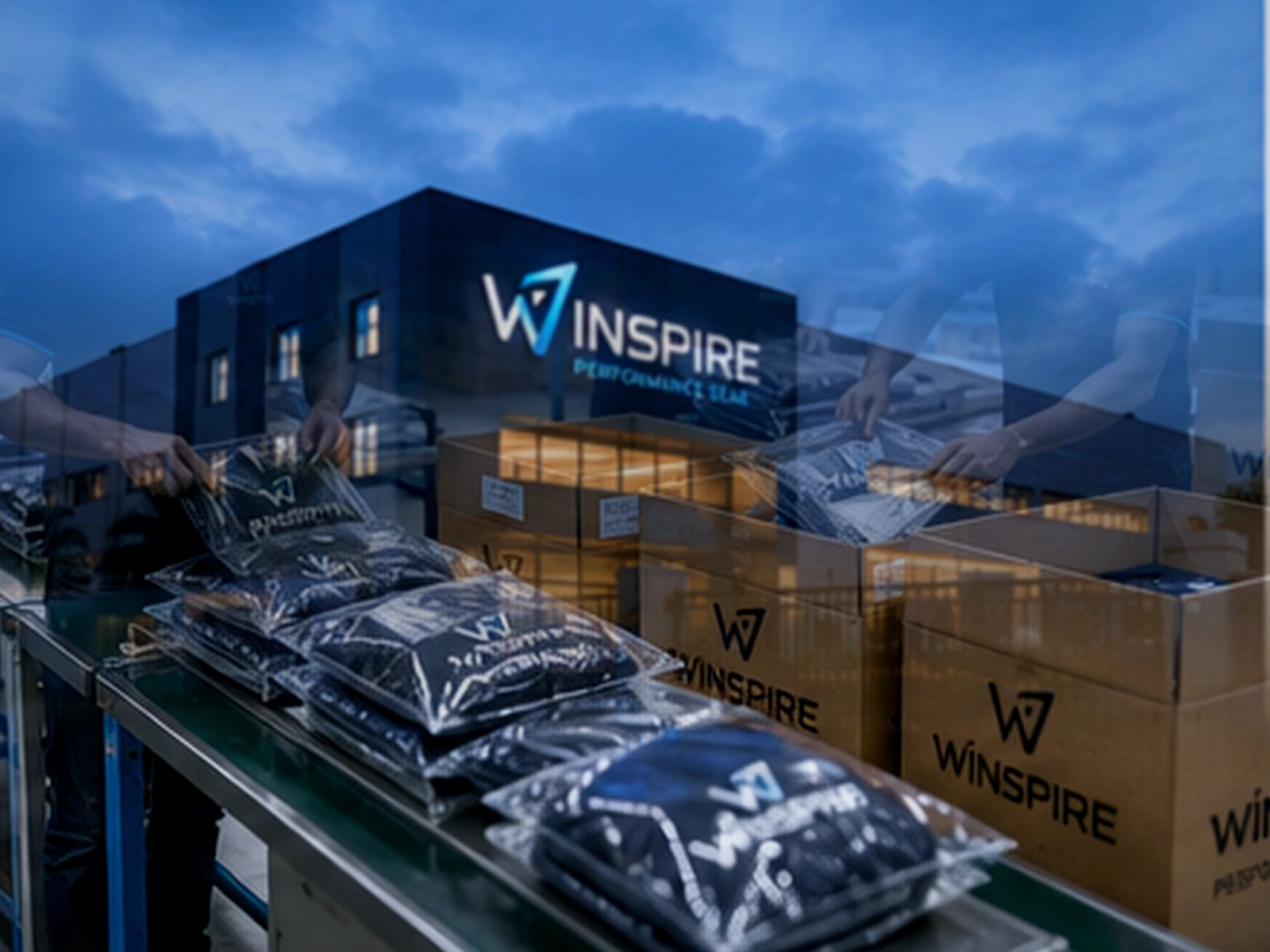
Product protection, carton planning and consolidated shipments support practical export efficiency.
Buyer documentation
Where applicable, product specifications, approved artwork, measurement references and inspection notes can be retained with the buyer project.
Define the standard first